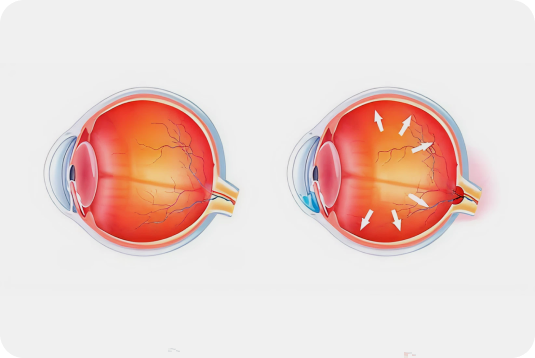
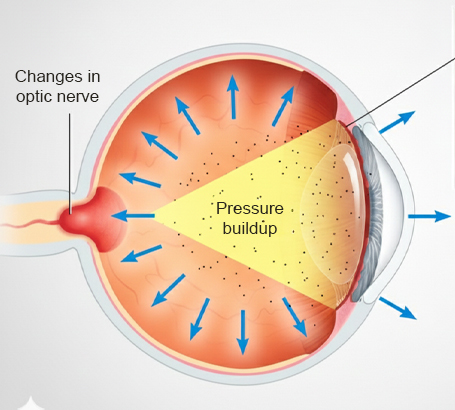
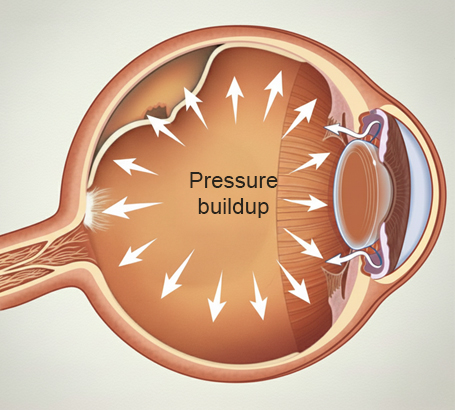
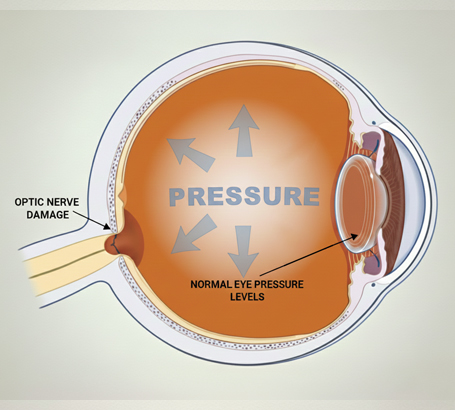
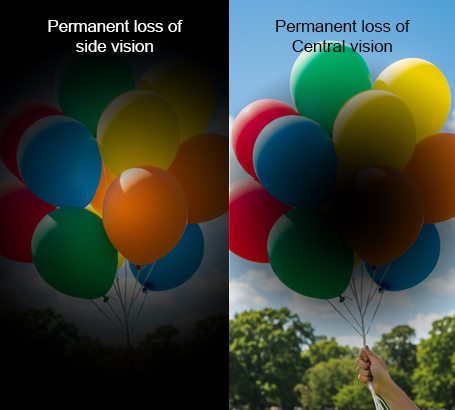
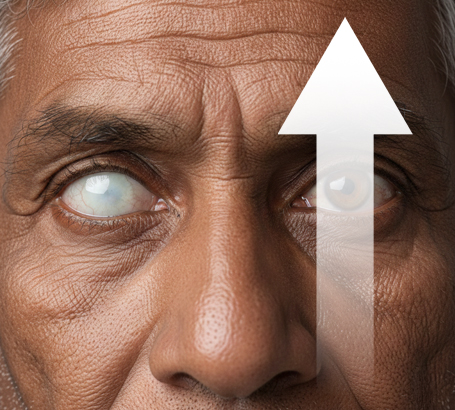
Glaucoma, also known as Kala Motia, is an eye condition where increased pressure inside the eye damages the optic nerve. This pressure slowly affects peripheral (side) vision first, often without pain or early warning. If not detected and treated on time, glaucoma can lead to permanent and irreversible vision loss.
While Glaucoma cannot be fully reversed, timely treatment can control eye pressure and protect remaining vision. Treatment may include eye drops, laser procedures, or advanced glaucoma surgeries depending on the stage. Regular eye check-ups are essential, especially for people above 40 or with a family history of glaucoma.
Glaucoma is a group of eye conditions that damage the optic nerve, the vital link between the eye and the brain. This damage is often caused by abnormally high pressure inside the eye (intraocular pressure) and is one of the leading causes of blindness for people over the age of 60.
What causes glaucoma?
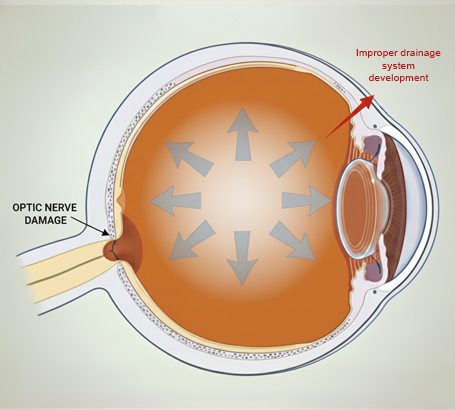
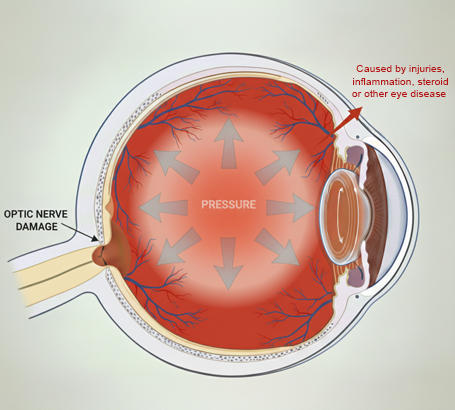
Glaucoma typically occurs when the fluid in the eye (aqueous humor) does not drain properly. This fluid buildup increases internal eye pressure, which eventually damages the optic nerve fibers. However, glaucoma can also occur in individuals with “normal” eye pressure, a condition known as Normal-Tension Glaucoma.
Who is at risk for developing glaucoma?
The risk of glaucoma increases if you:
Are over the age of 40 or 60. Have a family history of the condition. Have medical conditions such as diabetes, high blood pressure, or heart disease. Are highly nearsighted (myopia) or farsighted (hyperopia). Have used corticosteroid medications for a long period.
What are the symptoms of glaucoma?
Glaucoma is often called the “Silent Thief of Sight” because early stages usually show no symptoms. As it progresses, you may notice:
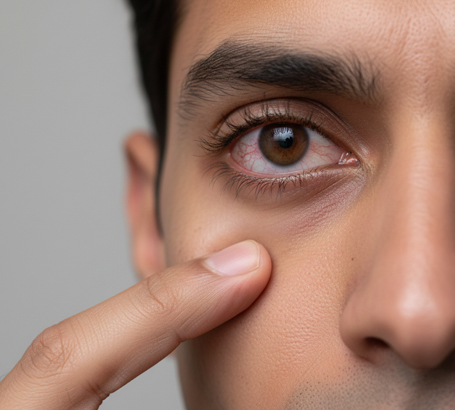
Gradual loss of peripheral (side) vision, leading to “tunnel vision.” Seeing halos around lights. Blurry or hazy vision. Acute Warning: Severe eye pain, headache, nausea, and sudden blurred vision (this is a medical emergency known as Acute Angle-Closure Glaucoma).
How is glaucoma diagnosed at ASG Eye Hospital?
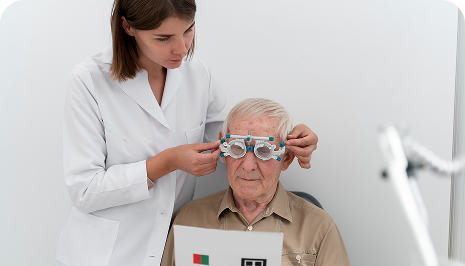
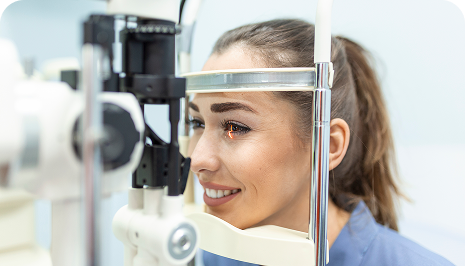
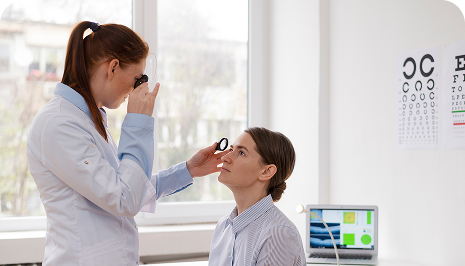
Early diagnosis is the only way to prevent vision loss. At ASG, we use a combination of advanced tests:
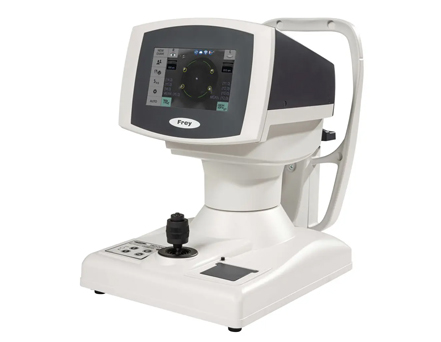
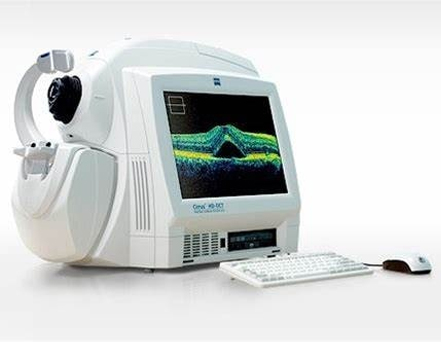
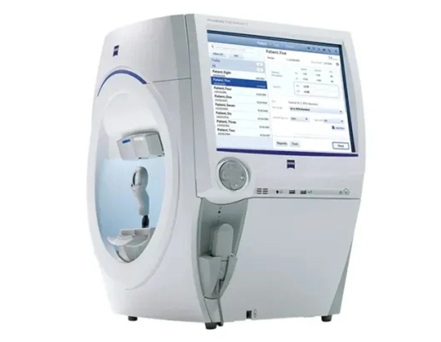
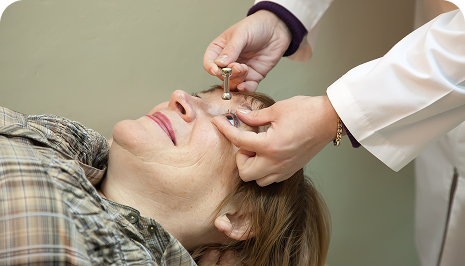
Tonometry: To measure your internal eye pressure. HFA (Humphrey Field Analyzer): To map your peripheral vision. OCT (Optical Coherence Tomography): To get high-definition 3D images of your optic nerve. Gonioscopy: To inspect the drainage angle of your eye.
Can glaucoma be prevented?
While you cannot prevent the onset of glaucoma, you can prevent blindness through early detection. Regular, comprehensive eye exams at an ASG branch allow us to catch the disease in its earliest stages and start treatment before any permanent vision loss occurs.
What are the treatment options at ASG?
While existing damage cannot be reversed, we can effectively manage the condition to preserve your remaining sight:
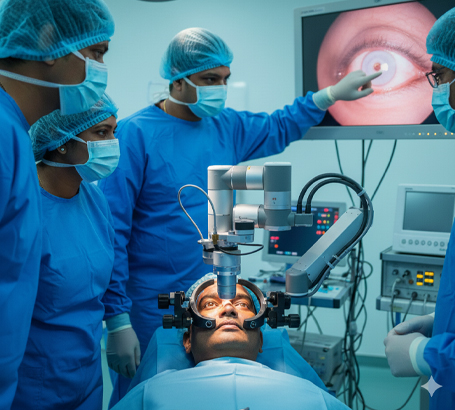
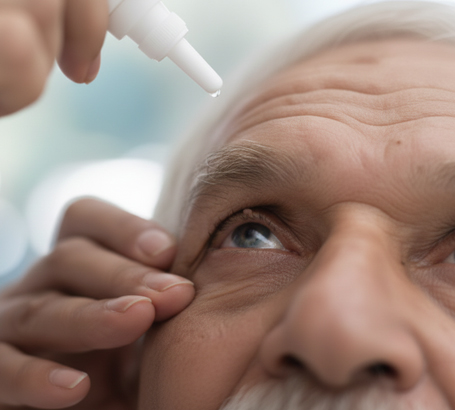
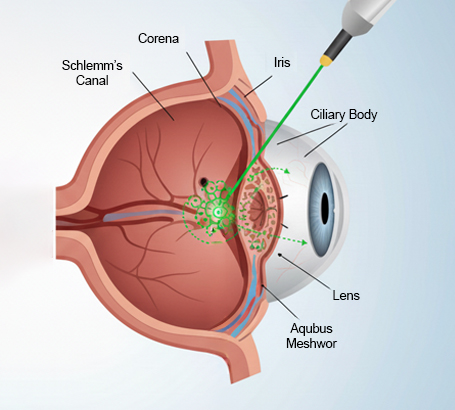
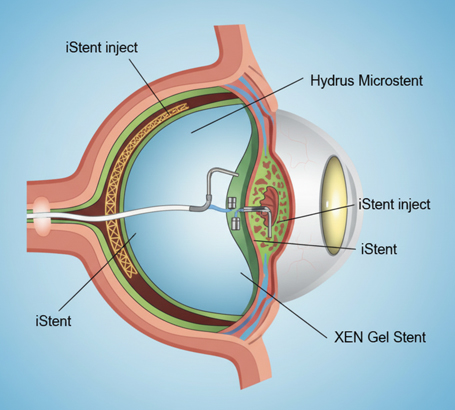
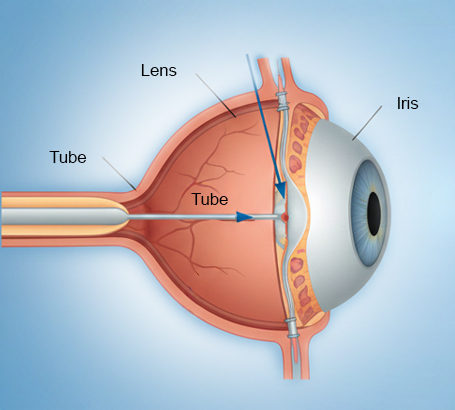
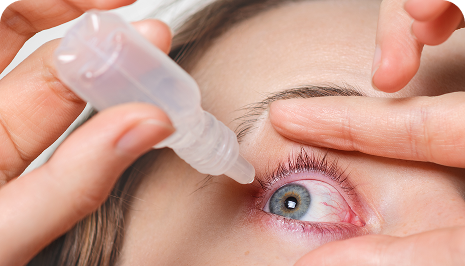
Medicated Eye Drops: The most common first step to lower eye pressure. Laser Therapy (SLT/YAG): A painless procedure to improve fluid drainage. Glaucoma Surgery (Trabeculectomy): Advanced surgical procedures to create a new drainage path for eye fluid when drops or lasers are not enough.
Are glaucoma treatments painful?
No. Eye drops are simple to apply, and laser treatments are performed using numbing drops, causing minimal to no discomfort. If surgery is required, it is performed under local anesthesia to ensure you feel no pain during the procedure.
Can vision loss from glaucoma be reversed?
Unfortunately, no. Vision lost to glaucoma is permanent because the optic nerve cannot regenerate. This is why our focus at ASG Eye Hospital is on early intervention—to stop the disease in its tracks and protect the vision you still have.
How often should I be tested for glaucoma?
We recommend a comprehensive glaucoma screening every 1–2 years once you reach age 40. However, if you have a family history or other risk factors, our specialists may recommend a check-up every 6 to 12 months to monitor your eye health closely.