Expert Care for the Nerves That Control Your Vision
20
Years
175+
Hospitals
500+
Eye Specialists
1.35
Crore+ Eyes
What is Neuro-Ophthalmology ?
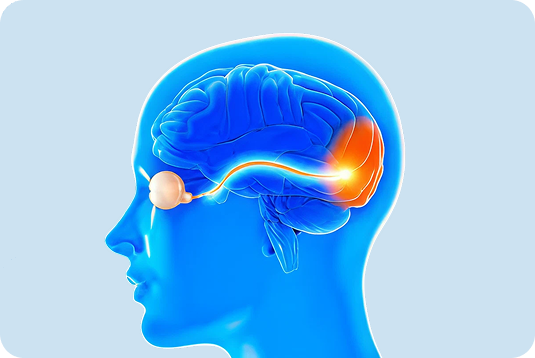
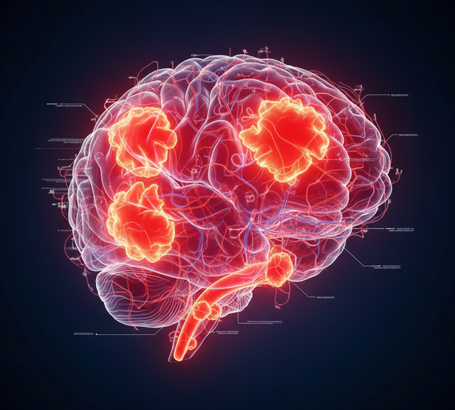
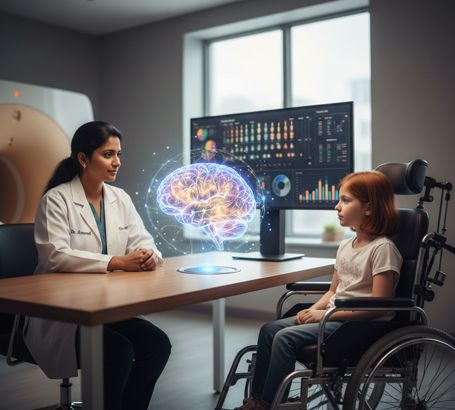
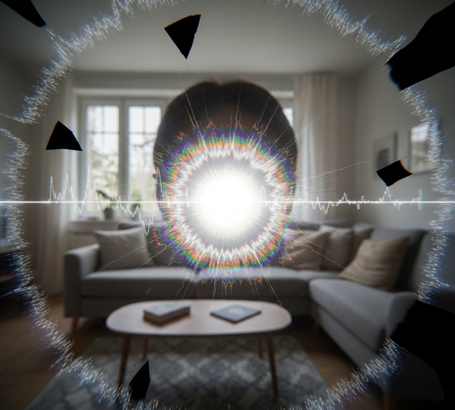
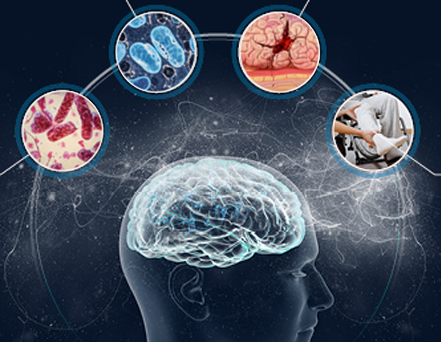
Neuro-ophthalmology focuses on vision problems caused by disorders of the brain, optic nerves, and eye movement pathways. These conditions may not begin in the eye itself, but they affect how the brain and eyes communicate, leading to vision loss, double vision, or abnormal eye movements.
Neuro-ophthalmology treatment focuses on identifying and treating the underlying neurological cause while managing vision-related symptoms. Care may include medications, prisms, eye exercises, or surgery depending on the condition and severity.

Blurred or reduced vision, even if the eye looks normal
Sudden or gradual loss of vision in one or both eyes
Double vision or difficulty focusing
Drooping eyelids or unequal pupil size
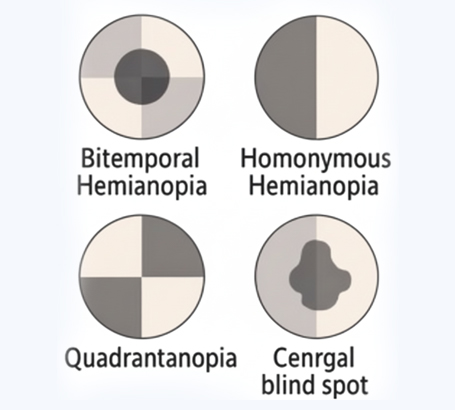
Loss of side (peripheral) vision or dark spots in vision
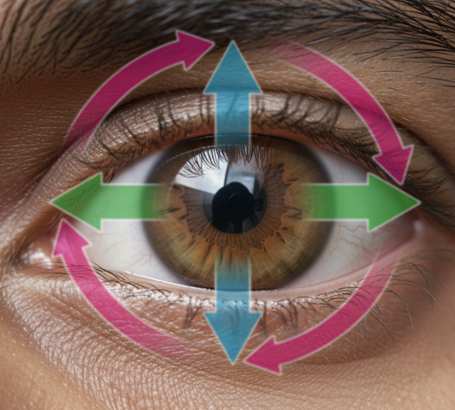
Difficulty moving the eyes or misalignment of the eyes
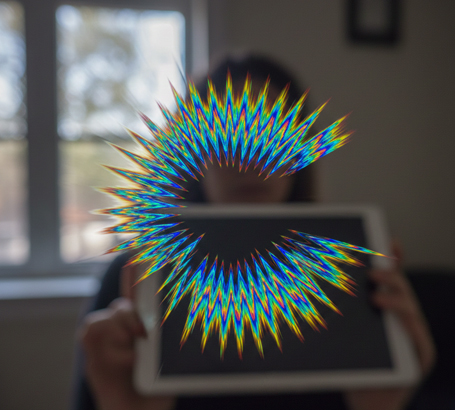
Light sensitivity or visual disturbances (flashes, zig-zags, shadows)
Headaches, especially when linked with vision changes
Stroke, brain injury, or neurological disorders
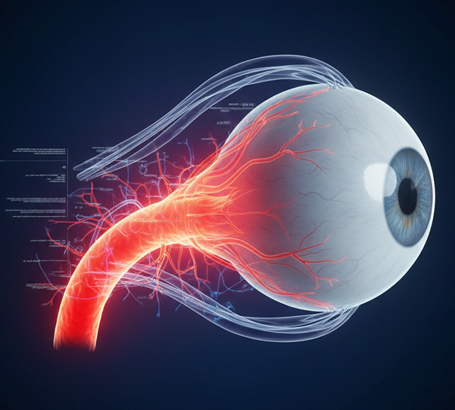
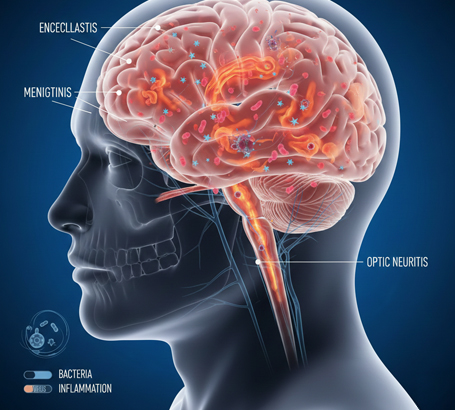
Inflammation or swelling of the optic nerve
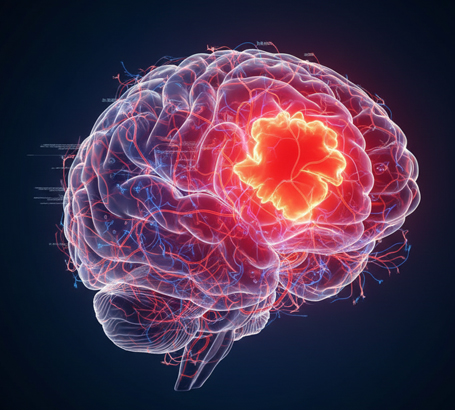
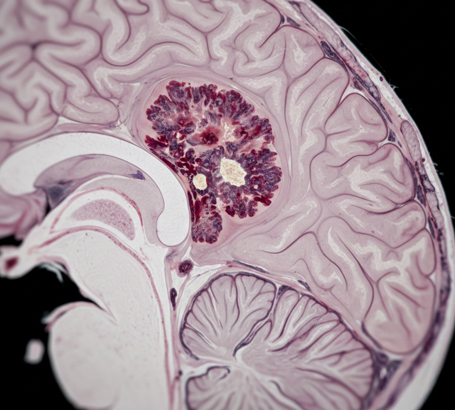
Tumors affecting the brain or optic pathways
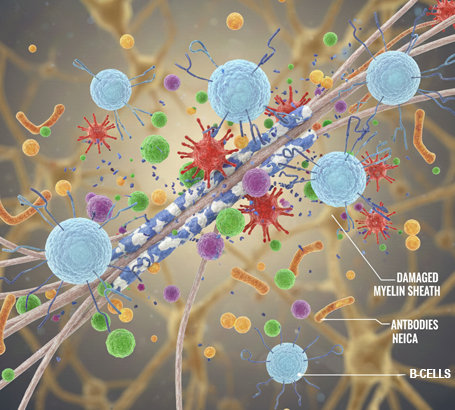
Autoimmune diseases such as multiple sclerosis
Infections affecting the brain or optic nerve
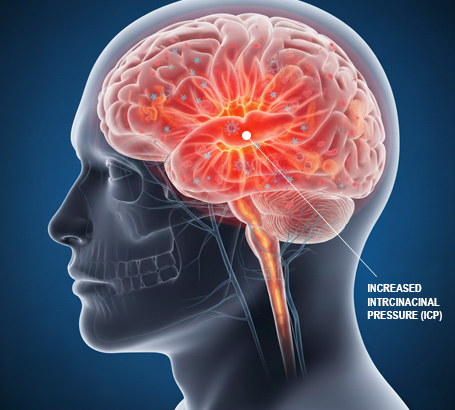
Sudden increased pressure in the brain
Migraine-related visual disturbances
Congenital or genetic neurological conditions
Optic Neuritis Inflammation of the optic nerve causing pain and sudden vision loss.
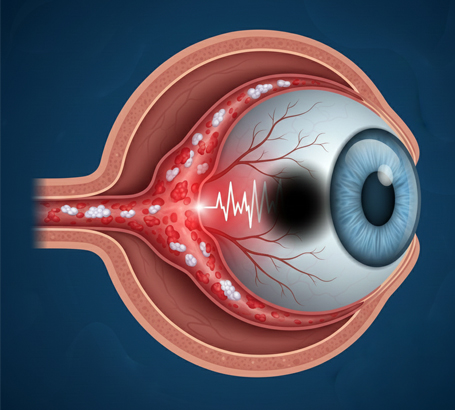
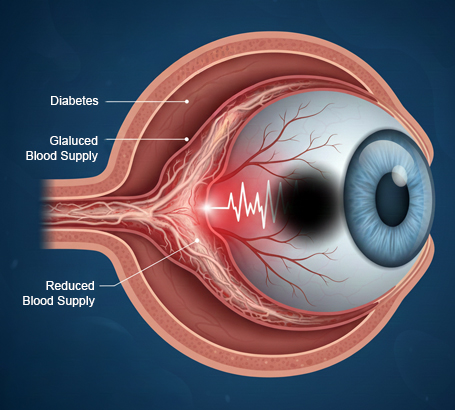
Optic Neuropathy Damage to the optic nerve from diabetes, glaucoma, or reduced blood supply.
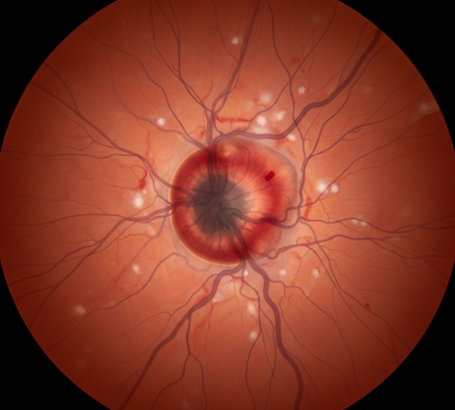
Papilledema Swelling of the optic nerve due to high pressure inside the skull.

Visual Field Defects Missing areas or blind spots in vision caused by nerve or brain issues.
Nystagmus Uncontrolled, repeated eye movements affecting clarity and stability of vision.
Cranial Nerve Palsies Weakness or paralysis of eye muscles leading to double vision or misalignment.
Brain Tumor–Related Vision Problems Pressure on visual pathways causing blurred or lost vision.
Migraine-Related Vision Disturbances Temporary visual changes like zig-zag lines or flashing lights.
Stroke-Related Vision Loss Partial or complete loss of vision due to disrupted blood flow in the brain.
Comprehensive treatment options at ASG
Treatment depends on the cause and severity of the neurological condition.
Prescription glasses or prisms to correct double vision
Medications to treat inflammation, infection, or high intracranial pressure
Steroids in cases of optic nerve swelling or autoimmune disease
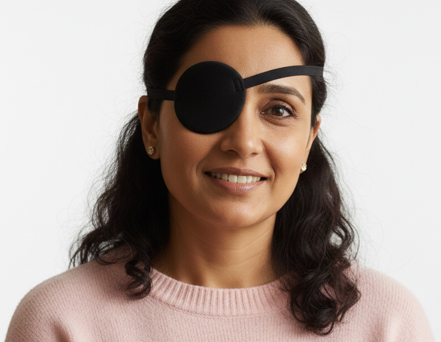
Eye patching for temporary relief from double vision
Injections for uncontrolled eye movements
Vision therapy or rehabilitation to improve coordination and comfort
Disease-specific neurological treatment (e.g., stroke or multiple sclerosis management)
Eye muscle surgery to correct misalignment or persistent double vision
Neurosurgical treatment for tumors, pressure buildup, or structural problems
Your Step-by-Step Neuro-Ophthalmology Care Plan
Based on the first evaluation, one or more tests may be recommended, such as:Eye movement and… Read More
- Eye movement and orthoptic assessment
- Double vision (diplopia) charting
- Visual field screening
- OCT scan to assess the optic nerve
- Color vision and contrast sensitivity testing
- MRI, CT scan, or MR venogram to study the brain and optic pathways
- Lumbar puncture (only if required) to check pressure or infection
Specialized Testing
2
Treatment varies depending on the cause and may include:Medication: Steroids, antibiotics, or…
Read More
Treatment
4
Rehabilitation & Recovery Support
5
Follow-Up and Long-Term Care
6
Book Your Appointment
Submit Your Request
Get a Call from Our Team
Meet Your Specialist
Begin Your Eye Care Journey
Self Booking
Get A Call Back
Vision for All.
Not Just for Some
ASG is growing its network with 200 Vision Centres, delivering affordable eye care to over 4 million people.
Or
Clear Answers for Better Vision
What is Neuro-Ophthalmology?
Neuro-ophthalmology is a specialized field of medicine that focuses on vision problems related to the nervous system. Unlike standard eye care, it deals with how the brain interacts with the eyes, treating issues caused by the optic nerve, brain, or the nerves controlling eye movements.
When should I see a Neuro-Ophthalmologist?
You should seek a consultation if you experience unexplained vision loss, double vision (diplopia), drooping eyelids (ptosis), or if you have been diagnosed with a neurological condition like Multiple Sclerosis (MS) or a brain tumor that is affecting your sight.
What are the common conditions treated at ASG Neuro-Ophthalmology department?
Our experts specialize in treating:
Optic Neuritis: Inflammation of the optic nerve.
Papilledema: Swelling of the optic disc due to increased brain pressure.
Ischemic Optic Neuropathy: Loss of blood flow to the optic nerve.
Cranial Nerve Palsies: Which cause double vision or restricted eye movement.
Myasthenia Gravis: A condition leading to muscle weakness and drooping lids.
What causes sudden double vision?
Double vision can be caused by problems with the eye muscles or the nerves that control them. In neuro-ophthalmology, it often indicates a communication issue between the brain and the eyes. At ASG, we perform specialized tests to determine if the cause is neurological or muscular.
How is a neuro-ophthalmic exam different from a regular eye exam?
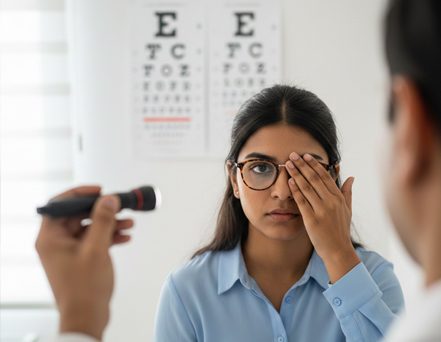
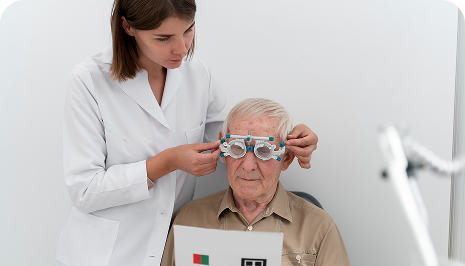
A neuro-ophthalmic exam is much more detailed. Beyond checking your vision, our specialists evaluate your eye movements, peripheral vision (visual fields), color vision, and pupil reactions. We often coordinate with the radiology department for MRI or CT scans to look at the brain and optic nerves.
What is Optic Nerve Atrophy?
Optic nerve atrophy is the end stage of various diseases that damage the optic nerve. It results in a pale optic disc and permanent vision loss. Early diagnosis is critical to stop the progression of the underlying cause before atrophy occurs.
Can headaches and vision loss be related?
Yes. Certain conditions, such as Idiopathic Intracranial Hypertension (IIH) or “Giant Cell Arteritis,” cause both severe headaches and vision changes. If you experience both, a neuro-ophthalmic evaluation is necessary to prevent permanent blindness.
What advanced diagnostics does ASG use for Neuro-Ophthalmology?
We utilize state-of-the-art technology to map the visual system, including:
Visual Field Testing (Perimetry): To detect blind spots.
OCT (Optical Coherence Tomography): To measure the thickness of the optic nerve fibers.
VEP (Visual Evoked Potential): To measure the electrical activity from the eye to the brain.
Is treatment for neuro-ophthalmic conditions surgical or medical?
Most neuro-ophthalmic conditions are managed medically through specialized medications, injections, or coordination with neurologists. However, in cases involving pressure on the optic nerve or brain, surgical intervention may be recommended by our surgical team.
Can vision lost to optic nerve damage be recovered?
The optic nerve does not regenerate. Therefore, vision lost to long-term damage is usually permanent. Our primary goal at ASG is early intervention—diagnosing the problem early enough to preserve your remaining vision and prevent further decline.
Every Angle of Vision.
Every Kind of Care.
Cataract
What do you understand by Cataract? A cataract is an eye condition characterized by the clouding of the natural lens in the eye, leading to vision
Diabetic Retinopathy
What Do You Understand by Diabetic Retinopathy? Diabetic retinopathy is an eye condition, it is caused by diabetes
Cornea
Cornea and Associated Diseases The cornea is the transparent front part of the eye that covers the iris, pupil, and anterior parts of an eye.
Glaucoma
Glaucoma: A Silent Thief of Sight Glaucoma is an eye condition that directly damages the optic nerve (the bundle of nerve fibers that carries..
Neuro-Ophthalmology
What is Neuro-Ophthalmology? Neuro ophthalmology is a combination of super specialty of both neurology and ..