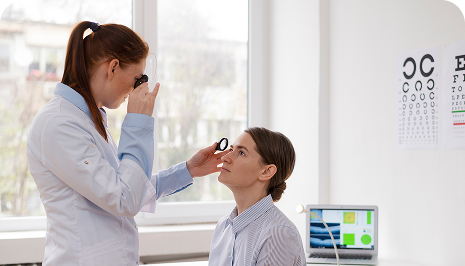
Restoring Function, Rejuvenating Appearance
20
Years
175+
Hospitals
500+
Eye Specialists
1.35
Crore+ Eyes
What is Oculoplasty?
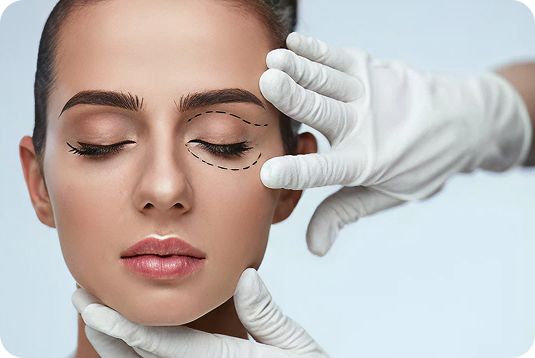
Oculoplasty (also called Oculoplastic Surgery) is a specialised branch of eye care that focuses on treating problems related to the eyelids, tear ducts, eye socket, and surrounding facial structures. These conditions may affect comfort, appearance, and vision. Oculoplasty helps restore normal function, appearance, and confidence.
Treatment may include medications, minimally invasive procedures, or surgery depending on the condition. Oculoplastic surgery is typically quick, safe, and often done as an outpatient procedure. Advanced techniques ensure natural-looking results, faster recovery, and improved vision and comfort.
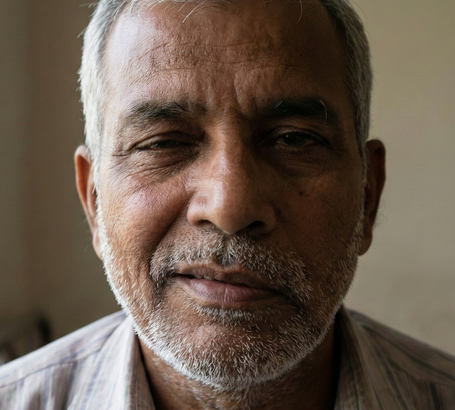
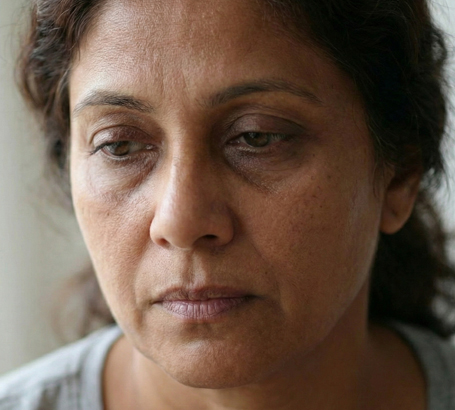
Drooping or sagging eyelids affecting vision
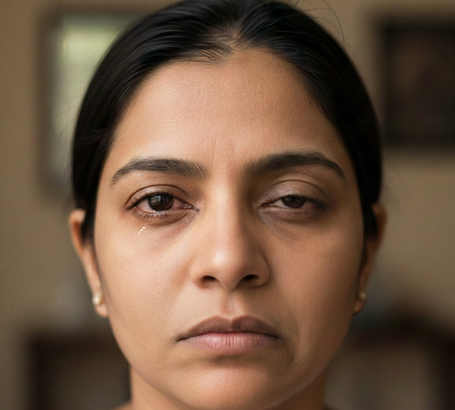
Excessive tearing or constant watery eyes
Frequent eye infections or irritation
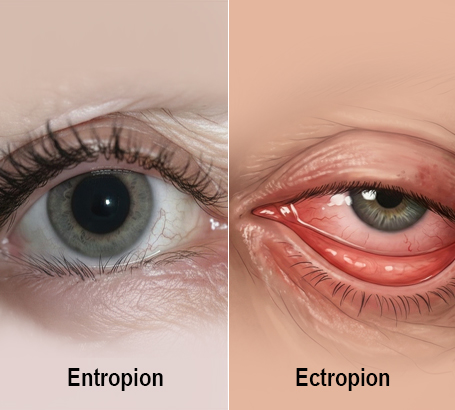
Eyelids turning inward (entropion) or outward (ectropion)
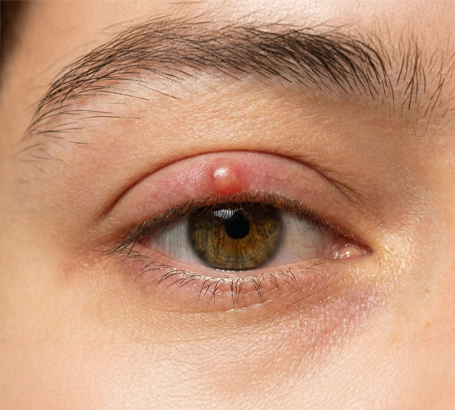
A visible lump or swelling on or around the eyelid
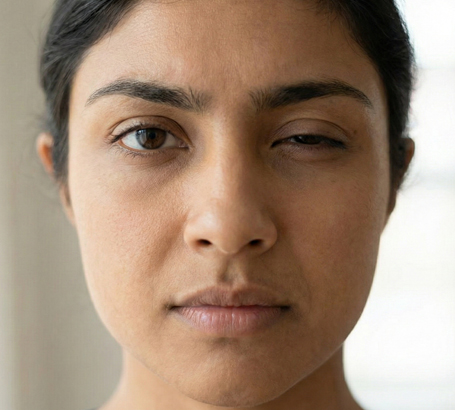
Difficulty closing the eyes completely
Facial asymmetry due to injury, nerve weakness, or aging
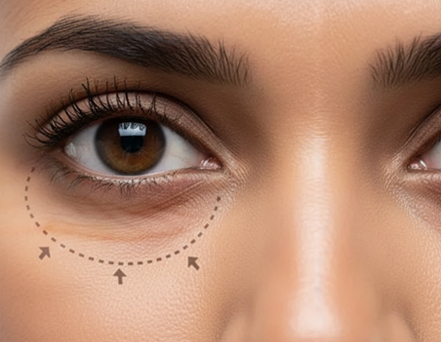
Cosmetic concerns such as under-eye bags or hollow eyelids
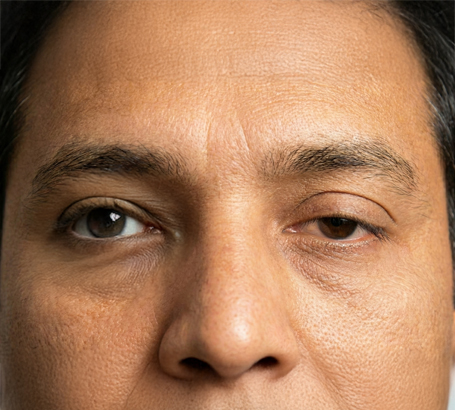
Ptosis Droopy eyelid affecting vision and appearance.
Entropion Eyelid turns inward causing irritation and redness.
Ectropion Eyelid turns outward causing watering and discomfort.
Blocked Tear Duct Excess tearing due to poor tear drainage.
Eyelid Tumors or Lumps Benign or cancerous growths requiring removal.
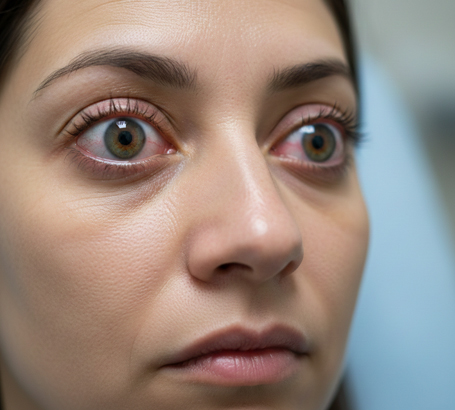
Thyroid Eye Disease Bulging eyes, irritation, or eyelid retraction.
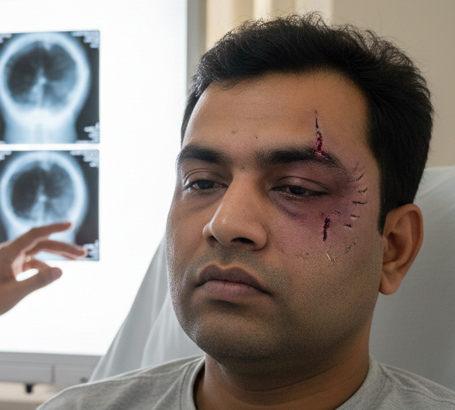
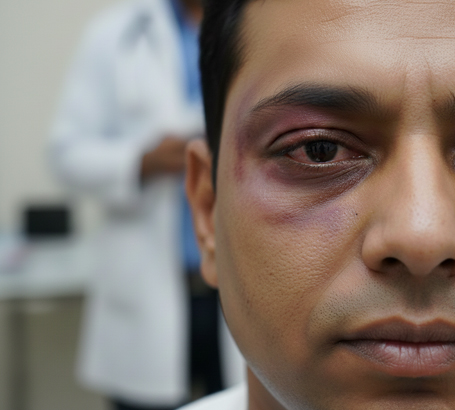
Orbital Trauma Injury to bones around the eye needing repair.
Facial Nerve Palsy Weak eyelid muscles affecting blinking and closure.
Cosmetic Eyelid Changes Age-related sagging, wrinkles, or fat deposits.
Age-Related Structural Changes With age, the eyelid muscles and tissues weaken, leading to droopy eyelids (ptosis), excess skin or fat, eyelid malpositions (entropion or ectropion), and narrowing of tear ducts. These changes may affect appearance, comfort, and even block vision.
Injury, Trauma, or Surgical After-Effects Accidents, falls, sports injuries, or previous surgeries can damage the eyelids, orbital bones, and tear drainage pathways, causing fractures, scarring, blocked tear ducts, or deformities that often require reconstructive oculoplastic care.
Medical Conditions, Tumors, and Infections Chronic inflammation, autoimmune disease, thyroid eye disease, or benign/malignant tumors involving the eyelids, orbit, or lacrimal system can lead to swelling, eye bulging, infections, tearing issues, or noticeable growths that need medical or surgical management.
Congenital or Cosmetic Concerns Some individuals are born with abnormal eyelids, tear duct defects, or eyelid positioning issues, while others seek blepharoplasty, Botox, or fillers to correct sagging, asymmetry, or signs of aging—combining both functional and aesthetic goals.
Treatment Options in Oculoplasty
Medical Treatment
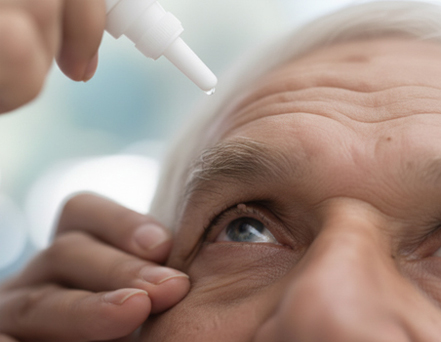
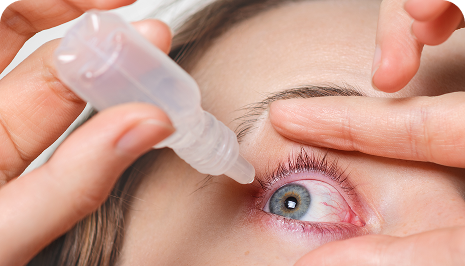
Eye drops, ointments, or medications to treat infections, allergies, or inflammation.
Minimally Invasive Tear Duct Procedures
For watery eyes caused by blocked tear pathways.
Eyelid Reconstruction Surgery
To correct drooping eyelids, deformities, tumors, or injuries.
Orbit and Trauma Repair
Surgery to restore function after accidents or fractures.
Cosmetic Oculoplasty
Blepharoplasty (eyelid lift) to rejuvenate tired or sagging eyelids.
Why Choose ASG for Oculoplasty?
ASG offers advanced reconstructive and cosmetic oculoplasty performed by trained specialists using precision tools and minimally invasive techniques. With personalised planning, natural-looking outcomes, and careful post-surgery follow-up, we ensure safety, comfort, and confidence-boosting results.
Advanced Technology Used in Oculoplasty
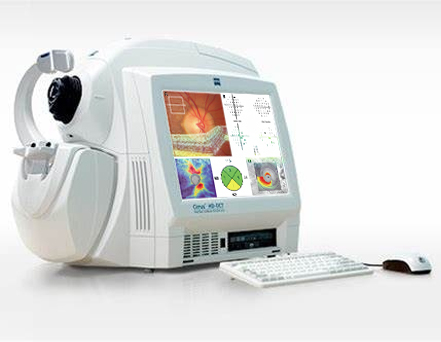
High-resolution imaging systems
For detailed mapping of eyelids, tear ducts, and orbital structures.
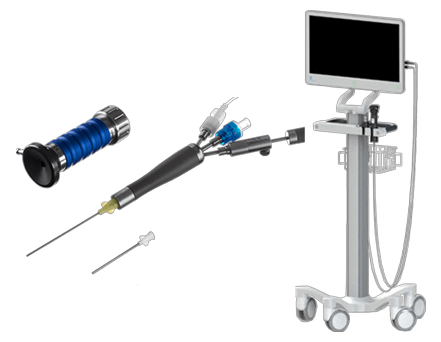
Endoscopic Tear Duct Equipment
Allows precise treatment of blocked tear ducts with minimal cuts.
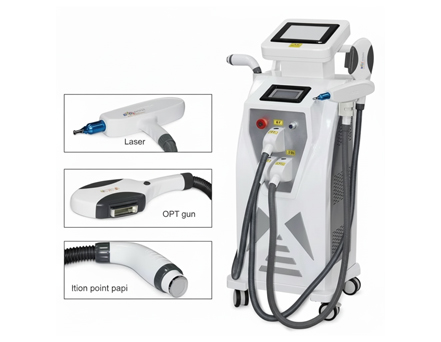
Radiofrequency & Laser Tools
Used for delicate eyelid procedures with faster healing and reduced scarring.
Your step by step oculoplasty journey
- Detailed eye and facial examination
- Understanding symptoms, goals, and expectations
- Personalized treatment recommendation
Consultation
1
- Diagnostic imaging if required
- Medical clearance and pre-procedure guidance
- Discussion of before- and after-care
Planning
2
- Outpatient treatment or surgery based on condition
- Minimal discomfort with local or short anesthesia
- Precision techniques for functional and cosmetic balance
Procedure
3
- Quick healing with post-care instructions
- Temporary swelling or mild discomfort may occur
- Follow-ups to ensure proper healing and best results
Recovery
4
- Detailed eye and facial examination
- Understanding symptoms, goals, and expectations
- Personalized treatment recommendation
Consultation
1
- Diagnostic imaging if required
- Medical clearance and pre-procedure guidance
- Discussion of before- and after-care
Planning
2
- Outpatient treatment or surgery based on condition
- Minimal discomfort with local or short anesthesia
- Precision techniques for functional and cosmetic balance
Procedure
3
- Quick healing with post-care instructions
- Temporary swelling or mild discomfort may occur
- Follow-ups to ensure proper healing and best results
Recovery
4
Book Your Appointment
Submit Your Request
Get a Call from Our Team
Meet Your Specialist
Begin Your Eye Care Journey
Self Booking
Get A Call Back
Vision for All.
Not Just for Some
ASG is growing its network with 200 Vision Centres, delivering affordable eye care to over 4 million people.
Or
Clear Answers for Better Vision
What is Oculoplasty?
Oculoplasty, or ophthalmic plastic surgery, is a specialized branch of ophthalmology that focuses on the structures surrounding the eye. This includes the eyelids, the tear drainage system (lacrimal system), and the eye socket (orbit). It combines the precision of eye surgery with the aesthetics of plastic surgery.
What are the common conditions treated in Oculoplasty?
Our specialists at ASG Eye Hospital treat a wide range of conditions, including:
Ptosis: Drooping of the upper eyelids.
Entropion/Ectropion: Inward or outward turning of the eyelids.
Dacryocystitis: Blockage or infection of the tear ducts causing watery eyes.
Blepharospasm: Involuntary tight closure of the eyelids.
Orbit Tumors: Abnormal growths in the eye socket.
Eye Injuries: Fractures or soft tissue trauma around the eye.
What is Ptosis surgery, and when is it needed?
Ptosis surgery is performed to lift drooping eyelids that may be obstructing your vision or affecting your appearance. If the eyelid droops enough to cover the pupil, it can cause “hooding” of vision. At ASG, we perform advanced levator resection or sling surgeries to restore a natural eyelid position.
Why do my eyes water constantly?
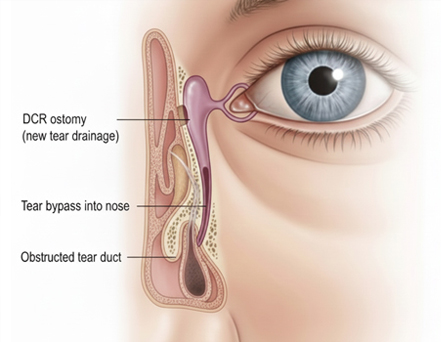
Constant watering (Epiphora) is often caused by a blocked tear duct. If the “drainage pipe” of the eye is clogged, tears overflow onto the cheeks. We perform a procedure called DCR (Dacryocystorhinostomy) to create a new channel for tears to drain into the nose, permanently solving the watering issue.
Can Oculoplasty improve my facial appearance?
Yes. We offer several aesthetic procedures, such as Blepharoplasty (removal of excess fat or skin from the eyelids) and Botox injections for wrinkles or spasms. These procedures are performed by eye surgeons who have a deep understanding of the delicate anatomy around the eyes.
What are "Socket" surgeries?
If an eye is lost due to severe injury or disease, our oculoplasty surgeons perform socket reconstruction. We use high-quality integrated implants and custom-made Prosthetic Eyes (artificial eyes) that look and move very similarly to a natural eye.
Are these procedures painful?
Most oculoplastic procedures are performed under local anesthesia with sedation, meaning you will be awake but relaxed and feel no pain. For complex orbital surgeries or pediatric cases, general anesthesia is used to ensure complete comfort.
How long is the recovery period after eyelid surgery?
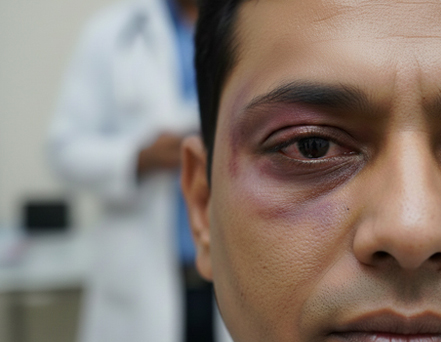
Most patients experience mild swelling or bruising for 1 to 2 weeks. You can usually return to light work within a few days. We provide detailed post-operative care instructions to ensure the scars are minimal and fade quickly.
Will there be visible scars after the surgery?
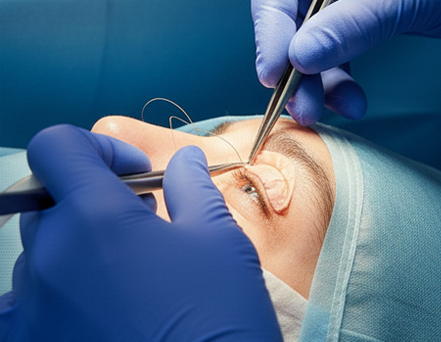
Our surgeons are trained to hide incisions within the natural folds of the eyelids or inside the eyelid itself (transconjunctival approach). This ensures that once healed, the surgical marks are virtually invisible.
Why should I choose an Oculoplastic surgeon over a general plastic surgeon?
An Oculoplastic surgeon is first an ophthalmologist. This means they are experts in the health of the eye itself. When performing plastic surgery around the eye, their primary goal is to protect your vision and the surface of the eye, which a general plastic surgeon may not be as specialized in.
Every Angle of Vision.
Every Kind of Care.
Cataract
What do you understand by Cataract? A cataract is an eye condition characterized by the clouding of the natural lens in the eye, leading to vision
Diabetic Retinopathy
What Do You Understand by Diabetic Retinopathy? Diabetic retinopathy is an eye condition, it is caused by diabetes
Cornea
Cornea and Associated Diseases The cornea is the transparent front part of the eye that covers the iris, pupil, and anterior parts of an eye.
Glaucoma
Glaucoma: A Silent Thief of Sight Glaucoma is an eye condition that directly damages the optic nerve (the bundle of nerve fibers that carries..
Neuro-Ophthalmology
What is Neuro-Ophthalmology? Neuro ophthalmology is a combination of super specialty of both neurology and ..