Refractive surgeries are procedures that change the eye’s focusing power—usually by reshaping the cornea or placing a lens—so light focuses properly on the retina and vision improves without glasses or contacts.
Refractive surgeries treat myopia, hyperopia, astigmatism, and presbyopia by reshaping the cornea or using specialised lenses to improve clarity at all distances.
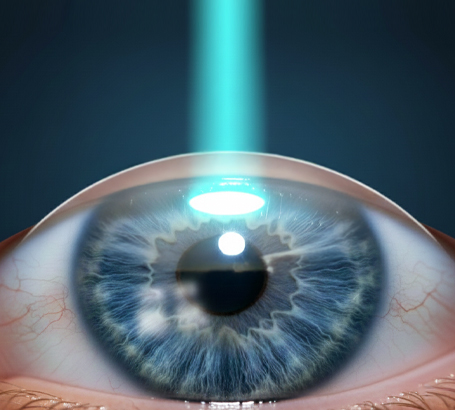
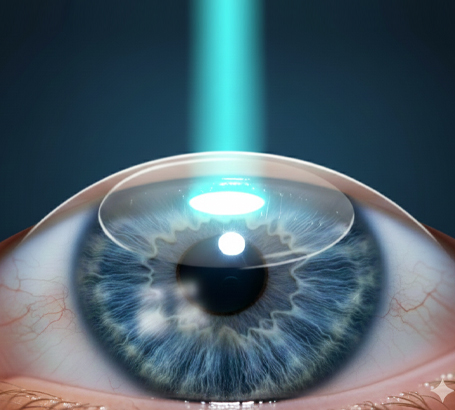
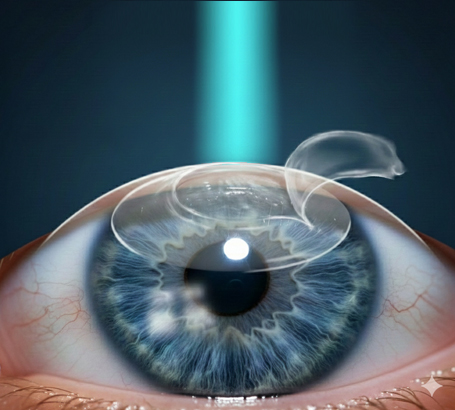
LASIK (Laser-Assisted In Situ Keratomileusis): A thin corneal flap is made, the deeper cornea is reshaped with an excimer laser, and the flap is replaced.
PRK (Photorefractive Keratectomy): The outer corneal layer is removed and the surface is reshaped with an excimer laser—no flap.
SMILE (Small Incision Lenticule Extraction): A small corneal incision is used to remove a lenticule of tissue, reshaping the cornea with minimal invasion.
LASEK (Laser Epithelial Keratomileusis): The epithelium is loosened and moved aside, the cornea is treated, and the epithelium is repositioned.
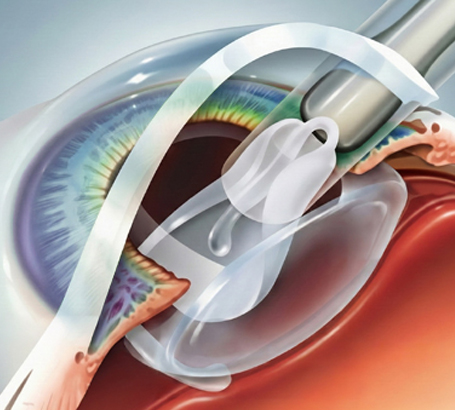
Refractive Lens Exchange (RLE): The natural lens is replaced with an intraocular lens (IOL) to correct high prescriptions or presbyopia.
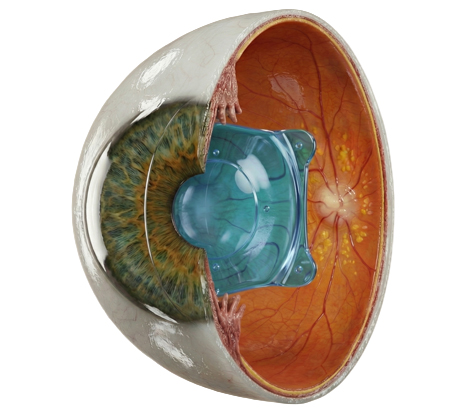
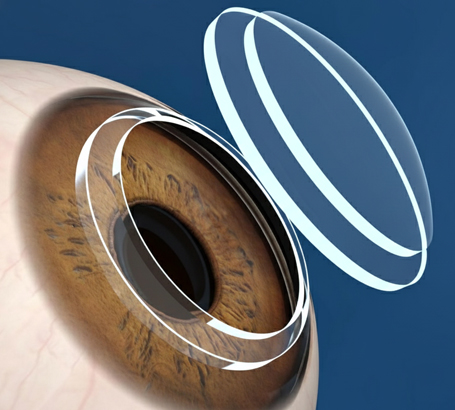
Phakic Intraocular Lenses (Phakic IOLs): A corrective lens is implanted inside the eye while keeping the natural lens in place for very high prescriptions.
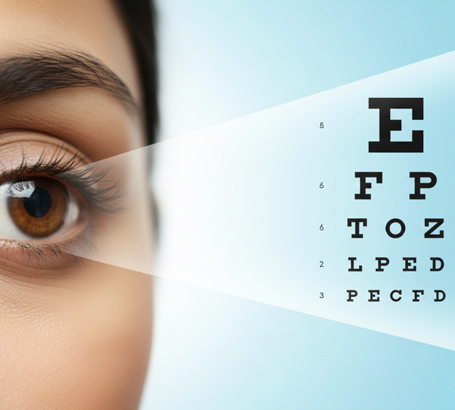
Stable prescription: Power should be stable for at least 12 months.
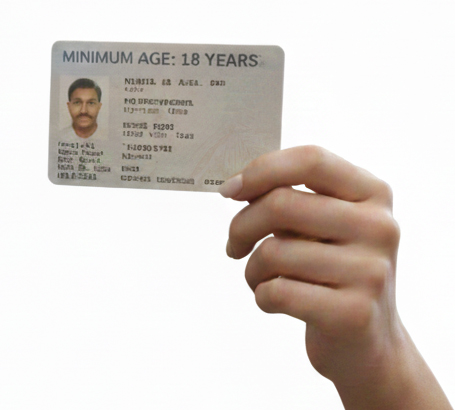
Minimum age: Generally 18 years or older for laser procedures.
Good ocular health: No active infections, uncontrolled glaucoma, or advanced retinal disease.
Sufficient corneal thickness: Thin corneas may limit LASIK but allow alternatives like PRK or Phakic IOLs.
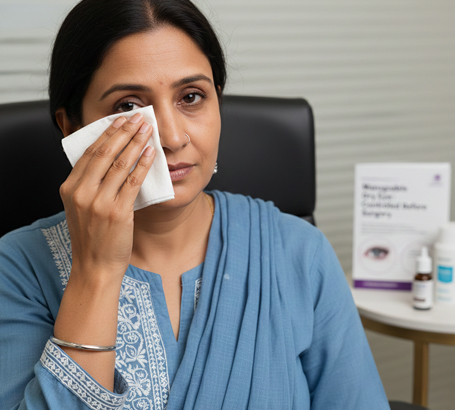
Manageable dry eye : Treatable dry eye should be controlled before surgery.
Overall health: Certain systemic conditions or medications may affect healing and candidacy.
Myopia (Nearsightedness): Blurred distance vision corrected by reshaping the cornea or implanting a lens.
Hyperopia (Farsightedness): Difficulty with near vision corrected by adjusting corneal curvature or lens power.
Astigmatism: Irregular corneal shape causing distorted vision, corrected by targeted corneal reshaping or toric lenses.
Presbyopia: Age-related near-vision loss; options include RLE, multifocal/EDOF lenses, or monovision strategies
ASG offers personalised refractive care delivered by experienced surgeons using the latest laser platforms and thorough pre-operative testing. From candidacy assessment to follow-up, we provide safe, predictable outcomes and fast recovery with compassionate patient support.
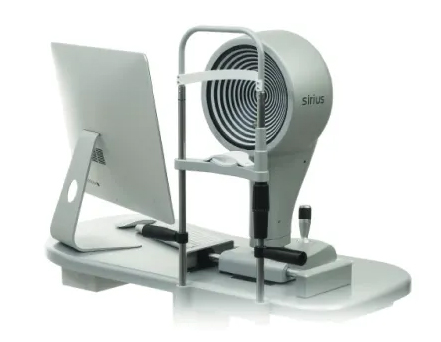
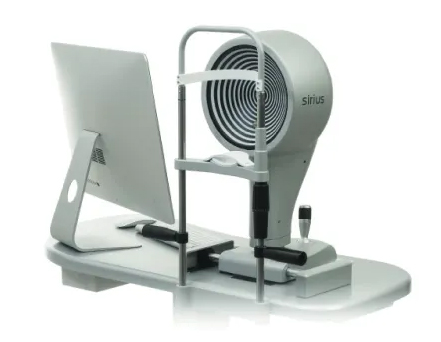
for detailed corneal maps
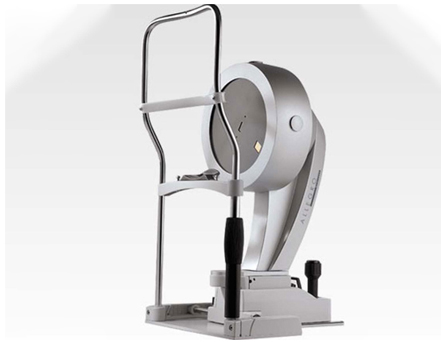
for personalised, higher-order correction
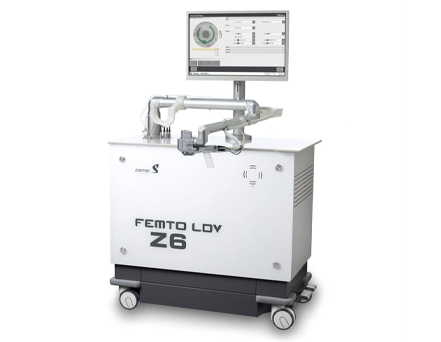
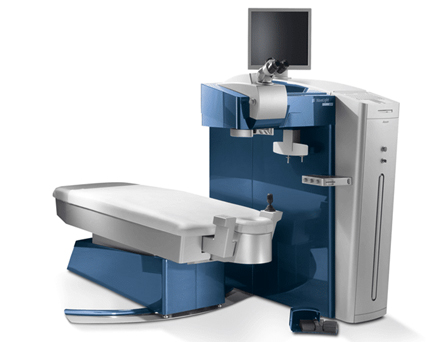
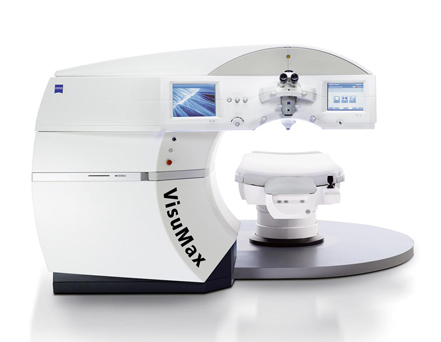
for bladeless flap creation and precision incisions
for accurate corneal reshaping
for minimally invasive lenticule removal
for customised surface correction
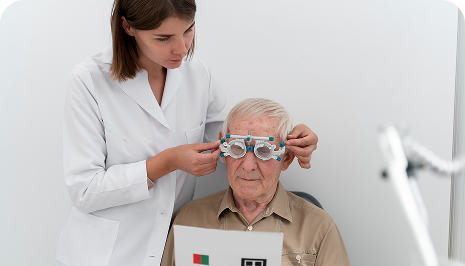
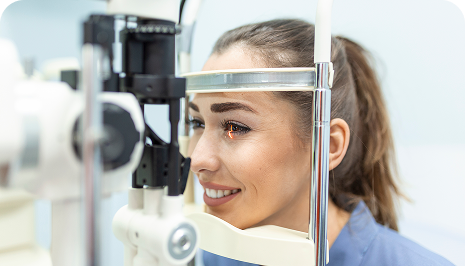
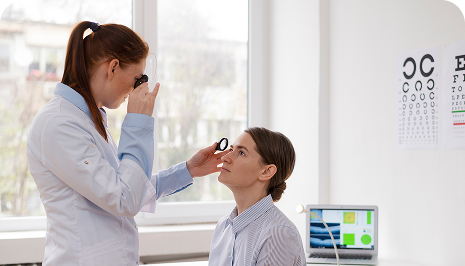
Comprehensive eye exam, corneal mapping, refraction, tear assessment, and health review to confirm candidacy.
Choose the most suitable procedure (LASIK/PRK/SMILE/RLE/Phakic IOL) based on anatomy, lifestyle, and visual goals.
Most procedures are quick, outpatient, and comfortable—typically completed within 10–30 minutes per eye.
Mild irritation or dryness is common; vision often improves rapidly (days to weeks depending on procedure).
Scheduled visits to monitor healing, fine-tune outcomes, and manage any dry eye or visual symptoms.
ASG is growing its network with 200 Vision Centres, delivering affordable eye care to over 4 million people.
Or
Refractive surgery refers to a group of surgical procedures used to correct vision problems such as nearsightedness (myopia), farsightedness (hyperopia), and astigmatism. These procedures reshape the cornea so that light can focus properly on the retina, reducing or eliminating the need for glasses or contact lenses.
We offer the full spectrum of modern refractive technologies, including:
LASIK: The most common laser procedure for vision correction.
SMILE (Small Incision Lenticule Extraction): A flapless, minimally invasive procedure.
Contoura Vision: Topography-guided LASIK that provides superior visual sharpness.
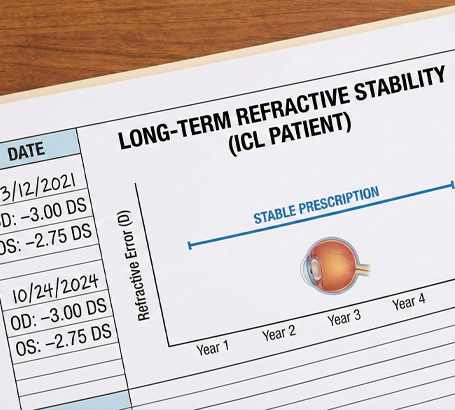
ICL (Implantable Collamer Lens): A permanent lens implant for those not suitable for laser surgery.
Most people over the age of 18 with a stable glass prescription for at least one year are candidates. However, your cornea must be thick enough and your eyes must be generally healthy. We perform a comprehensive Pre-LASIK Workup to determine the safest procedure for your specific eye structure.
While both use lasers, LASIK involves creating a thin “flap” on the cornea. SMILE is a “flapless” procedure that uses a much smaller incision. SMILE is often preferred for patients with dry eyes or those involved in contact sports, as it preserves more corneal stability.
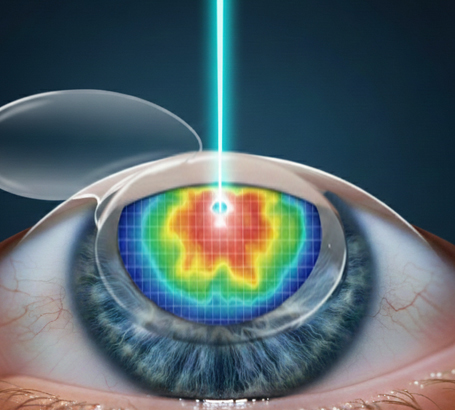
Contoura Vision is the latest advancement in laser eye surgery. Unlike standard LASIK, which only corrects your prescription, Contoura maps 22,000 unique elevation points on your cornea. This allows the laser to smooth out microscopic irregularities, often resulting in vision that is better than 6/6 (better than what you had with glasses).
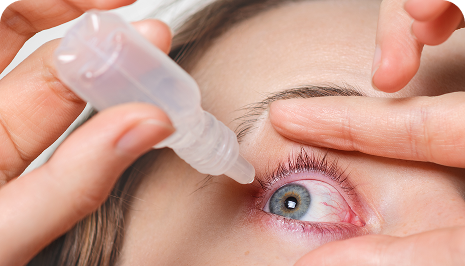
No. Refractive surgeries are virtually painless. We use numbing eye drops so you won’t feel anything during the procedure. You might feel a slight sensation of pressure for a few seconds, but the actual laser treatment usually takes less than 1 minute per eye.
The entire process takes about 10–15 minutes for both eyes. Most patients notice a significant improvement in vision immediately. You can usually return to work and drive within 24 to 48 hours after LASIK or SMILE.
Yes, the changes made to the cornea are permanent. However, it’s important to note that laser surgery cannot prevent age-related changes like Presbyopia (the need for reading glasses after age 40), which affects the eye’s internal lens rather than the cornea.
At ASG, we specialize in ICL (Implantable Collamer Lens) for patients with high prescriptions or thin corneas. An ICL is a tiny, biocompatible lens placed inside the eye. It provides high-definition vision and can be removed if necessary, making it an excellent alternative for those rejected for LASIK.
ASG is equipped with the world’s most advanced laser platforms. Our surgeons are pioneers in refractive surgery, and our personalized approach ensures that you receive the specific technology (LASIK, SMILE, or Contoura) that is safest and most effective for your unique eyes.
What do you understand by Cataract? A cataract is an eye condition characterized by the clouding of the natural lens in the eye, leading to vision
What Do You Understand by Diabetic Retinopathy? Diabetic retinopathy is an eye condition, it is caused by diabetes
Cornea and Associated Diseases The cornea is the transparent front part of the eye that covers the iris, pupil, and anterior parts of an eye.
Glaucoma: A Silent Thief of Sight Glaucoma is an eye condition that directly damages the optic nerve (the bundle of nerve fibers that carries..
What is Neuro-Ophthalmology? Neuro ophthalmology is a combination of super specialty of both neurology and ..
Job Title: Consultant Ophthalmologist
Location: Jaipur, Rajasthan
Job Category: Technical/ IT Support
Work Employment: Full time
What you work:
Mandatory skills:
Preferred Qualifications:
This will close in 0 seconds
This will close in 20 seconds