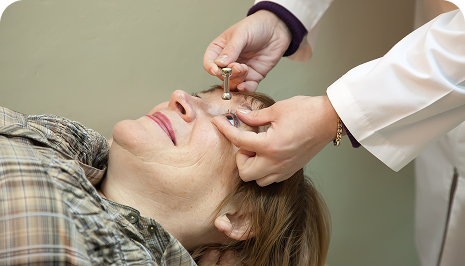
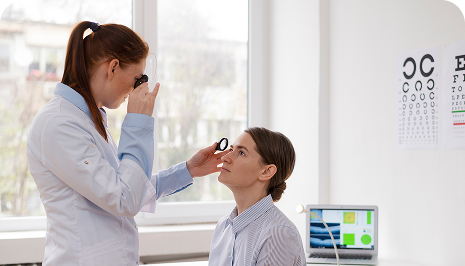
Pediatric ophthalmology focuses on detecting and treating eye problems in children from infancy to teenage years. Children’s eyes are still developing, which makes early detection essential for lifelong healthy vision. Timely care helps prevent issues that can affect learning, development, and overall quality of life.
What are the Common Pediatric Eye Conditions? Children can experience a range of issues including refractive errors, lazy eye, squint, congenital problems, and more. Most of these conditions can be treated effectively when identified early. Regular eye check-ups ensure problems don’t go unnoticed or untreated.
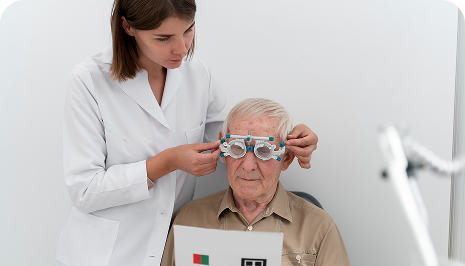
Improve clarity, strengthen weaker eyes, and support proper visual development.
Patching for Lazy Eye
Covers the stronger eye to train and strengthen the weaker one.
Squint Correction (Surgery or Glasses)
Aligns the eyes to restore coordinated, binocular vision.
Pediatric Cataract Surgery
Removes cataracts in infants/children for proper vision development.
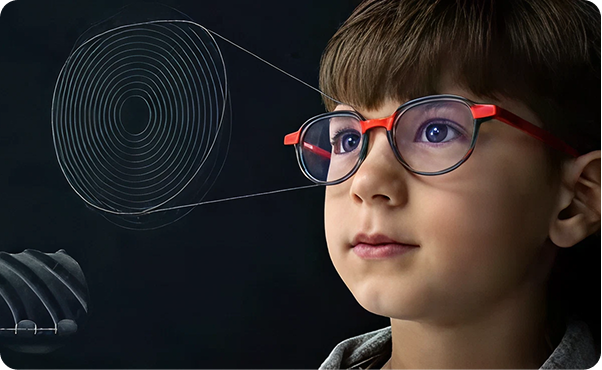
Myopia Management Treatments
Special lenses, eye drops, or lifestyle guidance to slow power progression.
Why us ?
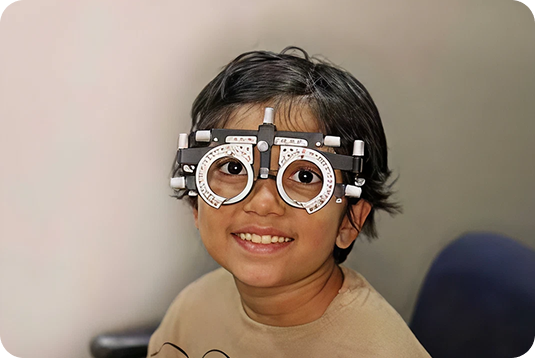
We understand that children may feel anxious before check-ups, so our empathetic doctors take time to comfort, reassure, and make every visit calm, safe, as well as stress-free. ASG offers child-focused eye care with gentle exams, kid-friendly technology, and specialists trained to handle everything from simple vision issues to complex conditions
Pediatric Ophthalmology is a sub-specialty of eye care that deals with the vision development and eye health of infants, children, and adolescents. Because a child’s visual system is still developing until age 8–10, early intervention by a specialist is crucial to prevent permanent vision loss.
At what age should a child have their first eye exam?
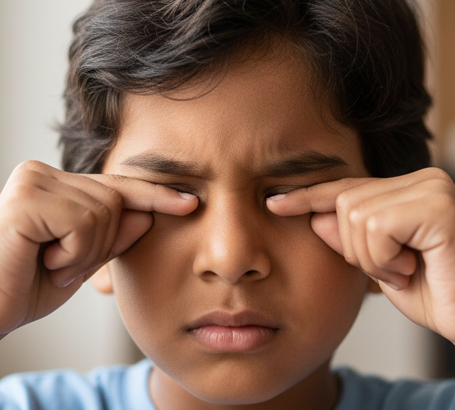
A child should have their first comprehensive eye screening at 6 months of age, followed by another at age 3, and then annually once they start school. However, if you notice your child squinting, rubbing their eyes, or holding books very close, you should schedule an appointment immediately.
What is a "Squint" (Strabismus)?
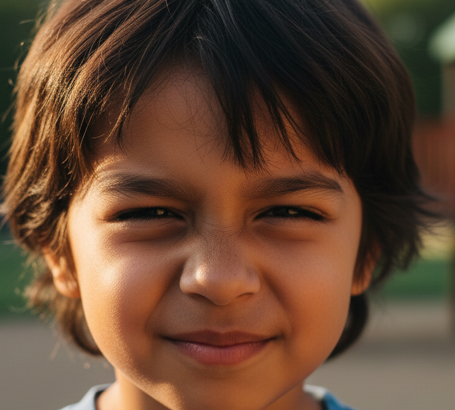
A squint is a condition where the eyes do not look in the same direction at the same time. One eye may turn in, out, up, or down while the other eye looks straight ahead. At ASG, we treat squints using specialized exercises, glasses, or advanced muscle-realignment surgery.
Can a squint be corrected at any age?
Yes. While it is best to treat a squint in early childhood to ensure proper vision development, squint surgery can be performed on adults as well to improve eye alignment and facial appearance.
What is Amblyopia or "Lazy Eye"?
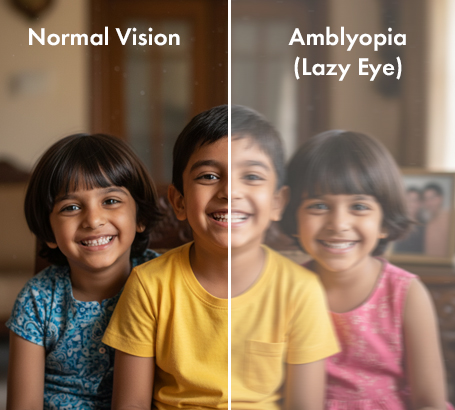
Amblyopia occurs when the brain favors one eye over the other, leading to poor vision in the “lazy” eye. If not treated during the “critical period” of childhood (usually before age 7 or 8), the vision loss in that eye may become permanent.
How is a Lazy Eye treated at ASG Eye Hospital?
Treatment often involves “Patching Therapy,” where the stronger eye is covered with a patch for a few hours a day to force the brain to use the weaker eye. We also offer Vision Therapy and specialized glasses to help strengthen the visual connection.
How do I know if my child has vision problems?
Watch for these warning signs:
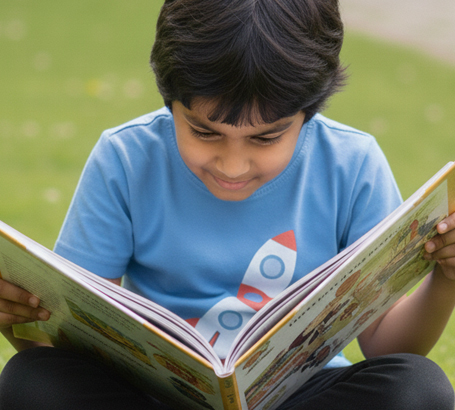
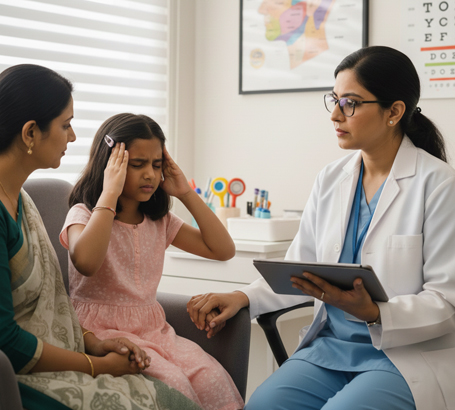
Sitting too close to the TV. Tilting the head to see better. Frequent eye rubbing or watering. Closing one eye to read or look at distant objects. Complaints of headaches or “tired eyes” after school.
Does ASG provide surgery for congenital cataracts?
Yes. Some babies are born with cataracts (cloudy lenses). This is a medical priority, as it prevents light from reaching the retina during critical development. Our pediatric surgeons are experts in infant cataract surgery and intraocular lens (IOL) implantation.
Are the diagnostic tests painful for children?
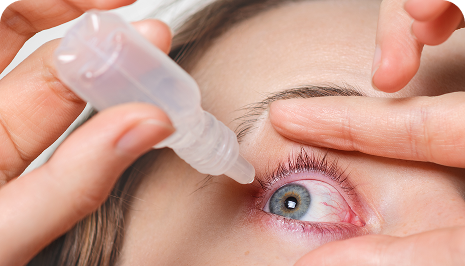
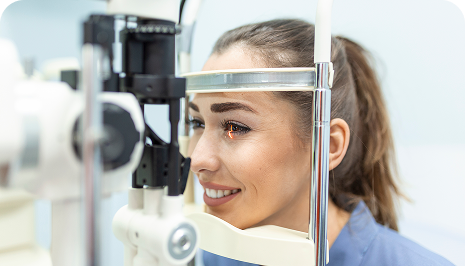
Not at all. Our pediatric wings are designed to be child-friendly. We use “no-touch” diagnostic tools and specialized dilating drops to examine the retina. Our doctors are trained to perform exams through play and engagement to keep the child relaxed.
Will my child have to wear glasses forever?
Not necessarily. Many children’s eye shapes change as they grow, and their prescription may decrease. For those with high refractive errors, we monitor them closely and discuss permanent correction options once they reach adulthood.